When Your Home Needs Foundation Repair in Columbus
Reading the Signs Before Small Cracks Become Big Problems
I remember the first time a homeowner in Clintonville called me about a crack in their basement wall. They thought it was cosmetic, maybe something a coat of paint would hide. But when I got there, I could see the wall had shifted about a quarter of an inch at the top. That kind of movement does not stop on its own. In Ohio, where the ground freezes and thaws hard, even a small gap in a concrete foundation can turn into a costly structural repair if you wait too long. That is why foundation repair Columbus homeowners trust starts with knowing what to look for and acting early.
Many people assume that foundation problems are rare or that they only happen to very old houses. The truth is that homes built on expansive clay soil, like much of central Ohio, are always at risk. When the soil gets wet, it swells. When it dries out, it shrinks. That constant movement puts stress on the foundation, and over time, cracks appear. Water follows those cracks, and soon you are dealing with water damage in your basement or crawl space. That is when the real trouble begins.
Why Foundation Cracks Are Not All the Same
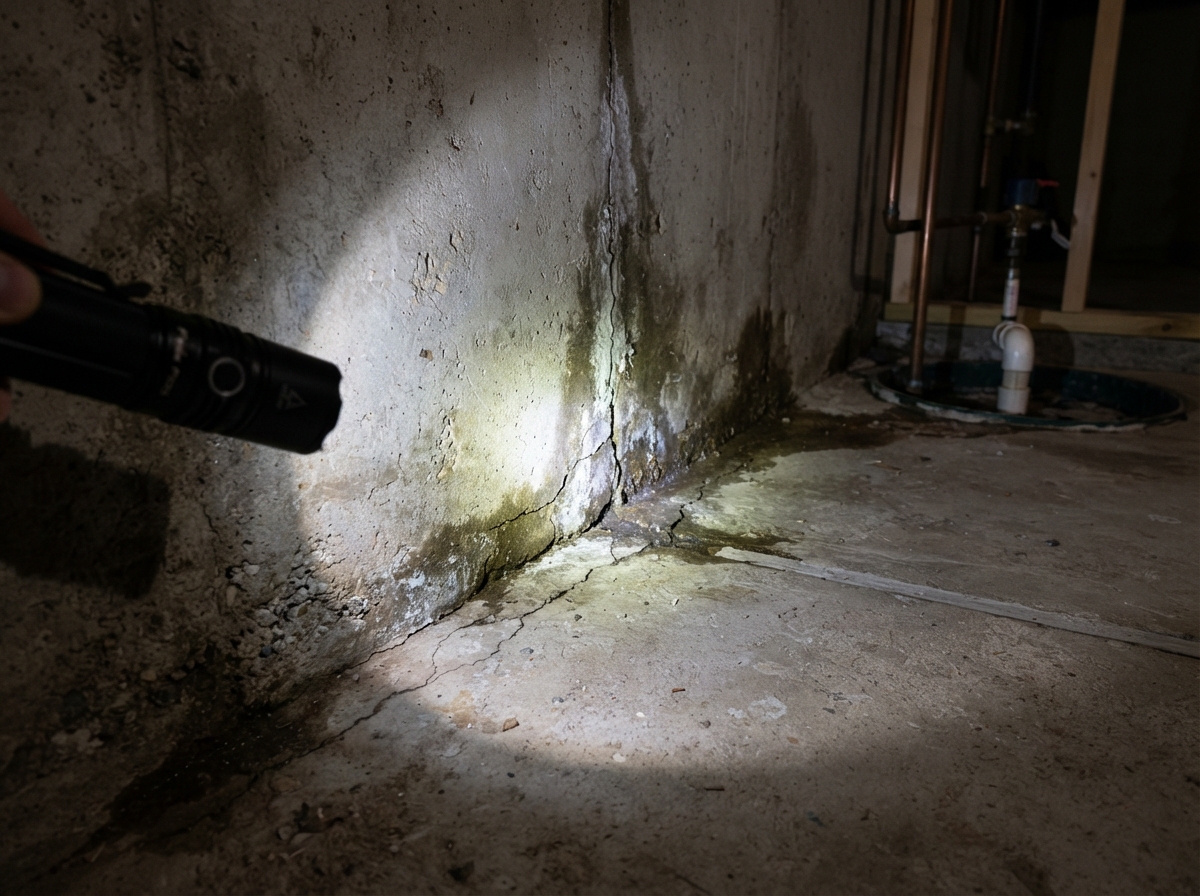
Not every crack in a basement wall means your house is falling down. Hairline cracks in a poured concrete foundation are normal as the concrete cures and the house settles. But when a crack is wider than a nickel, or when one side of the crack is higher than the other, you have a structural issue. I have seen cracks that look like a staircase running up a block foundation, which often means the wall is bowing under pressure from the soil outside. That kind of problem will not fix itself.
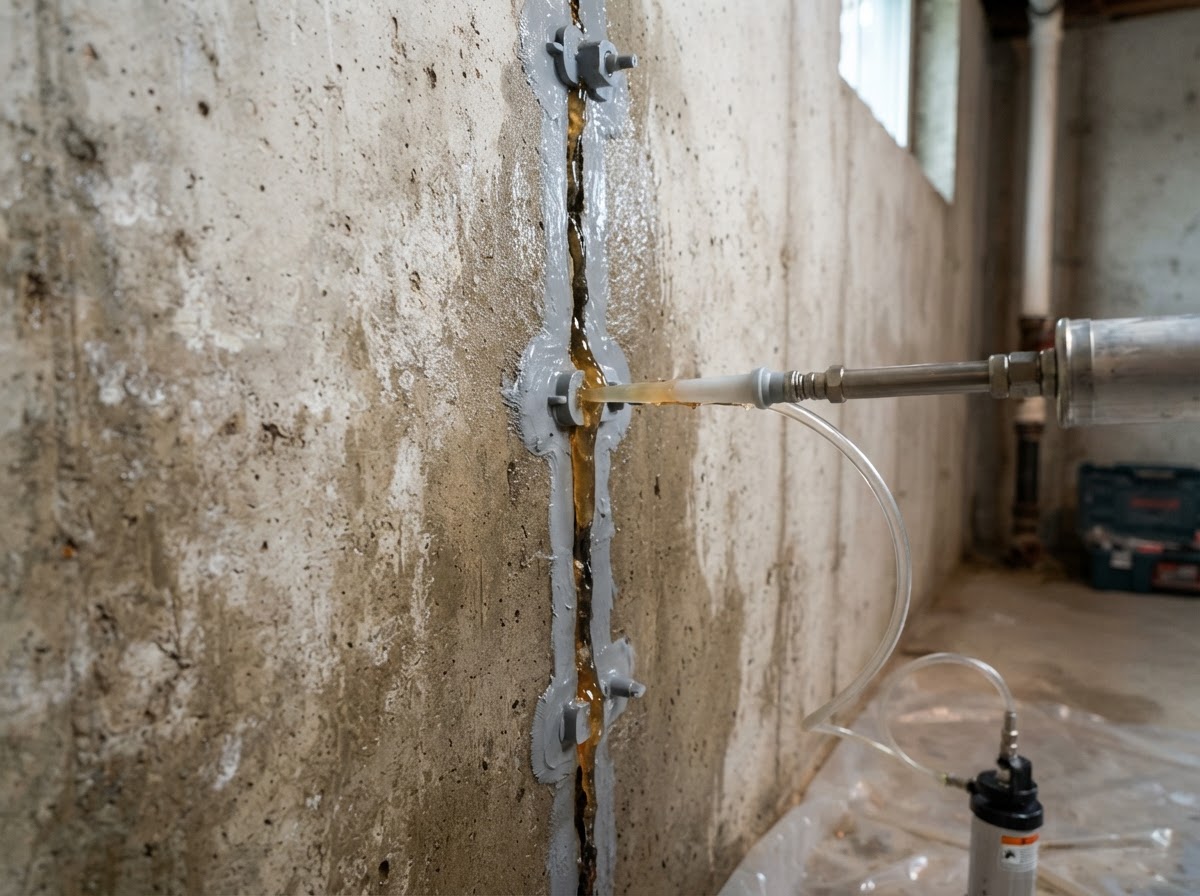
For smaller, non-structural cracks, foundation crack repair can be done with epoxy injection or polyurethane injection. Epoxy is rigid and works well when the crack is dry and stable. Polyurethane is flexible and expands, which makes it better for cracks that might still move a little or that have water seeping through. I usually recommend polyurethane injection for basement walls in Columbus because the freeze-thaw cycle keeps the ground moving. A rigid fix might crack again next spring.
But if the wall is bowing inward, injection alone will not hold it. That is where carbon fiber straps come in. These straps are epoxied to the wall and then tightened to pull the wall back into place. It is a proven method for stopping bowing walls without excavating the outside. It is not cheap, but it costs a lot less than replacing the whole wall.
Water Is Usually the Real Culprit
In my experience, most foundation problems in Columbus start with water. The soil gets saturated, it pushes against the foundation, and the wall gives way. That is why basement waterproofing is not a separate issue from foundation repair. They are two sides of the same coin. If you fix the crack but do not address the water, the crack will come back.
A good first step is to look at the grading around the house. The soil should slope away from the foundation for at least six feet. If water is pooling next to the wall, a French drain can redirect it. A French drain is a trench filled with gravel and a perforated pipe that carries water away from the house. It is simple, but it works. I have seen French drains stop basement flooding that had been going on for years.
Inside the basement, a sump pump can handle water that collects under the slab. The pump sits in a pit and kicks on when the water rises. It is a reliable backup, but it should not be your only defense. You want to keep water from getting to the foundation in the first place.
When the Foundation Needs More Than a Patch
Sometimes the damage is too advanced for cracks and straps. If a corner of the house is sinking or if the floor is sloping, you might need soil stabilization or pier repair. Soil stabilization involves injecting a material into the ground to firm up the soil under the foundation. It can lift a settled slab back to level. It is not a DIY job. It takes specialized equipment and a careful assessment of the soil conditions.
For homes built on a Pier and Beam foundation, the problem is often different. The piers that support the beam can sink or tilt over time. Pier repair usually means digging down to the pier, resetting it, and sometimes adding helical piers for extra support. Helical piers are screw-like steel piles that are driven into the ground until they hit stable soil. They are a good option when the soil is too loose for a traditional concrete pier.
I worked on a house in German Village last year that had a brick foundation from the 1880s. The wall was bowing badly, and the floor had a noticeable slope. We ended up using helical piers to support the beam, then did a partial block foundation replacement on the worst section. It took three weeks, but the house is solid now. That kind of structural repair is not something you want to cheap out on. A bad foundation repair can cause more damage than the original problem.
What to Expect from a Professional Foundation Repair
When you call a company for foundation repair Columbus, they should start with an inspection. They should look at the cracks, check the grade, and measure any movement. They should ask about water problems and look at the gutters and downspouts. A good contractor will not just sell you a fix. They will explain what is causing the problem and what the options are.
For a typical crack repair, the process usually goes like this:
- Clean out the crack and remove loose material.
- Drill small holes along the crack for injection ports.
- Inject polyurethane or epoxy into the crack under pressure.
- Fill the remaining void with hydraulic cement.
For bowing walls with carbon fiber straps, the process is different:
- Drill holes into the wall and epoxy anchors into place.
- Attach the carbon fiber straps to the anchors.
- Tighten the straps to pull the wall back.
- Monitor the tension over several weeks.
Both methods work, but they solve different problems. A good contractor will be honest about which one you need.
Prevention Is Cheaper Than Repair
The best way to avoid a major foundation repair is to keep water away from the foundation. Keep your gutters clean. Make sure downspouts extend at least five feet from the house. If you have a crawl space, crawl space encapsulation can help. It involves sealing the crawl space with a vapor barrier and insulating the walls. That keeps moisture from evaporating up into the house and also prevents the soil from staying wet under the foundation.
I have seen homes where a simple downspout extension solved a basement leak that had been happening for years. The water was just running straight down the foundation wall. Once the water was moved away, the wall dried out, and the crack stopped growing. That is a cheap fix, and it can save you thousands of dollars in structural repair later.
Final Thoughts
Foundation problems are stressful, but they are not the end of the world. Most can be fixed, and the earlier you catch them, the cheaper and easier the fix is. If you live in Ohio and you see a crack in your basement wall, do not ignore it. Call a professional who understands the local soil and the local climate. Foundation repair Columbus has a lot of options, from simple crack injections to full pier replacements. The key is to get an honest assessment and act before the water damage spreads.
Your foundation is what holds everything else up. It is worth taking care of.